
As an efficient, safe, and environmentally friendly vertical conveying solution, the bucket elevator boasts features including high throughput capacity, significant lifting height, smooth and reliable operation, and a long service life. It is widely employed for the vertical transport of various materials, ranging from powders and fine granules to coarse bulk solids.
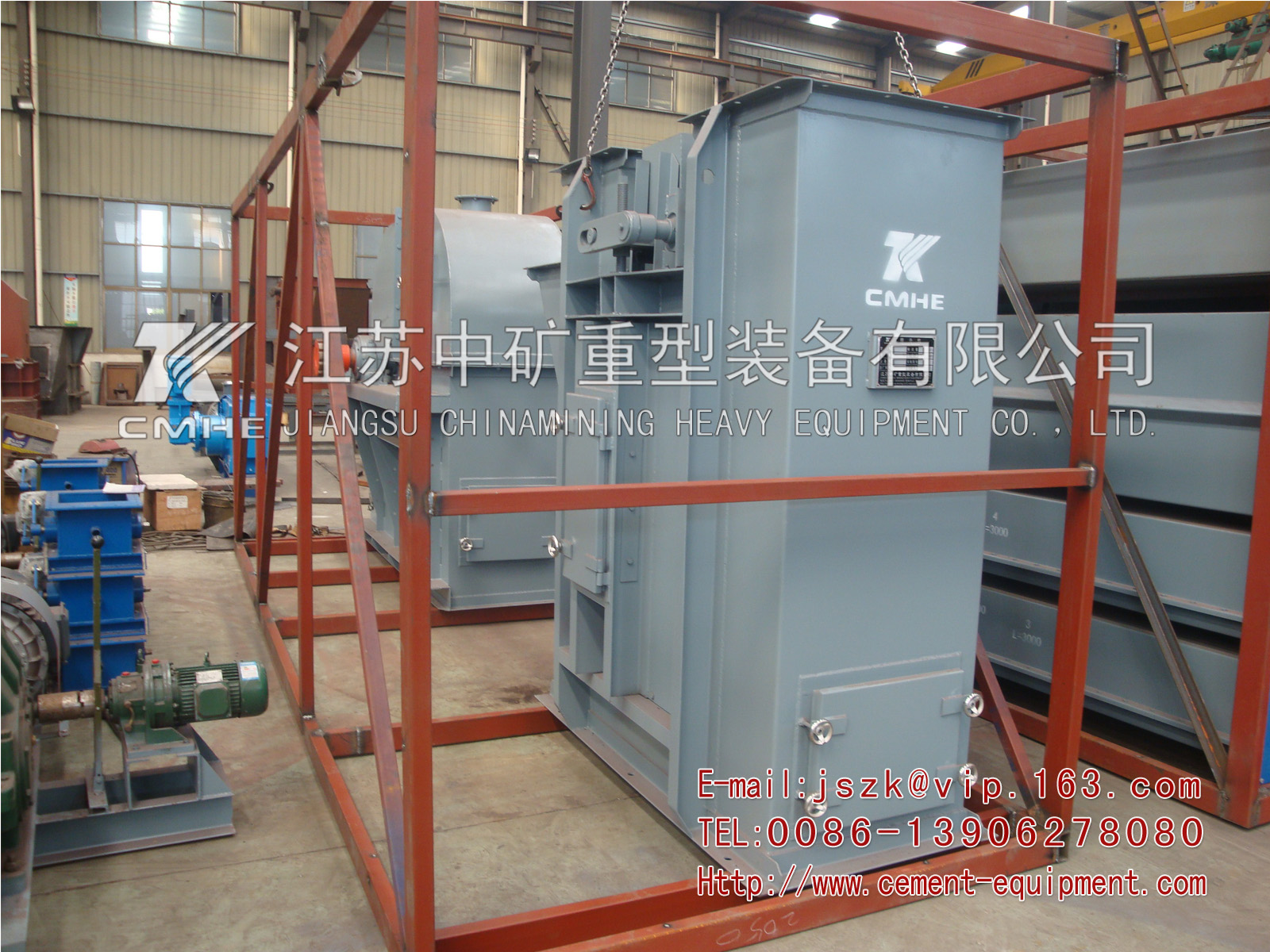
Key Advantages of Plate Chain Bucket Elevators
- High Conveying Capacity & Lifting HeightCompared to traditional belt conveyors or scraper conveyors, chain elevators achieve substantial vertical throughput within a minimal footprint. Single-unit lifting heights typically range from 40 meters up to 100 meters or more, making them suitable for high-rise factory buildings and deep pit operations.
- Robust Structure & Extended Service LifeThe chains and buckets are typically manufactured from high-strength, wear-resistant steel, enabling them to withstand significant impact forces and resist abrasion from materials like ores and sand/gravel. Unlike belt drives, chain drives offer superior fatigue resistance and are less prone to breakage (under proper maintenance).
- Smooth Operation & Low Noise LevelsEmploying sprocket-and-chain meshing transmission ensures a fixed travel path, eliminating issues common with belts, such as misalignment or vibration. Coupled with appropriate tensioning devices and dampened bases, the equipment operates with remarkable stability and generates relatively low mechanical noise.
- Strong Adaptability & Wide Material Compatibility
- High-Temperature Resistance:Capable of conveying high-temperature materials (e.g., freshly discharged cement clinker at temperatures exceeding 200°C).
- Wear/Corrosion Resistance:Depending on specific working conditions, options include round steel link chains, plate chains, or chains made from special anti-corrosion materials.
- Versatile Material Handling:Effectively transports powders (cement, flour), granules (fertilizer, grain), and lump materials (ores, coal).
Key Points for Operating Bucket Elevators
Plate chain bucket elevators feature a wide application scope and high conveying capacity, making them suitable for lifting various bulk materials such as ores, coal, cement, cement clinker, grains, and fertilizers. They effectively resolve the challenge of transporting high-temperature materials in industrial settings.
During operation, it is essential to regularly monitor the performance of all elevator components and inspect all connecting bolts, tightening them as necessary. The screw-type take-up device in the lower section must be adjusted appropriately to maintain normal chain tension. Attendants should routinely check the condition of the buckets and chains; damaged items should be removed immediately and replaced during scheduled maintenance. Removed buckets and chains must be inspected for wear and deformation—components deemed unserviceable should be scrapped, while repairable parts may be reused after refurbishment.